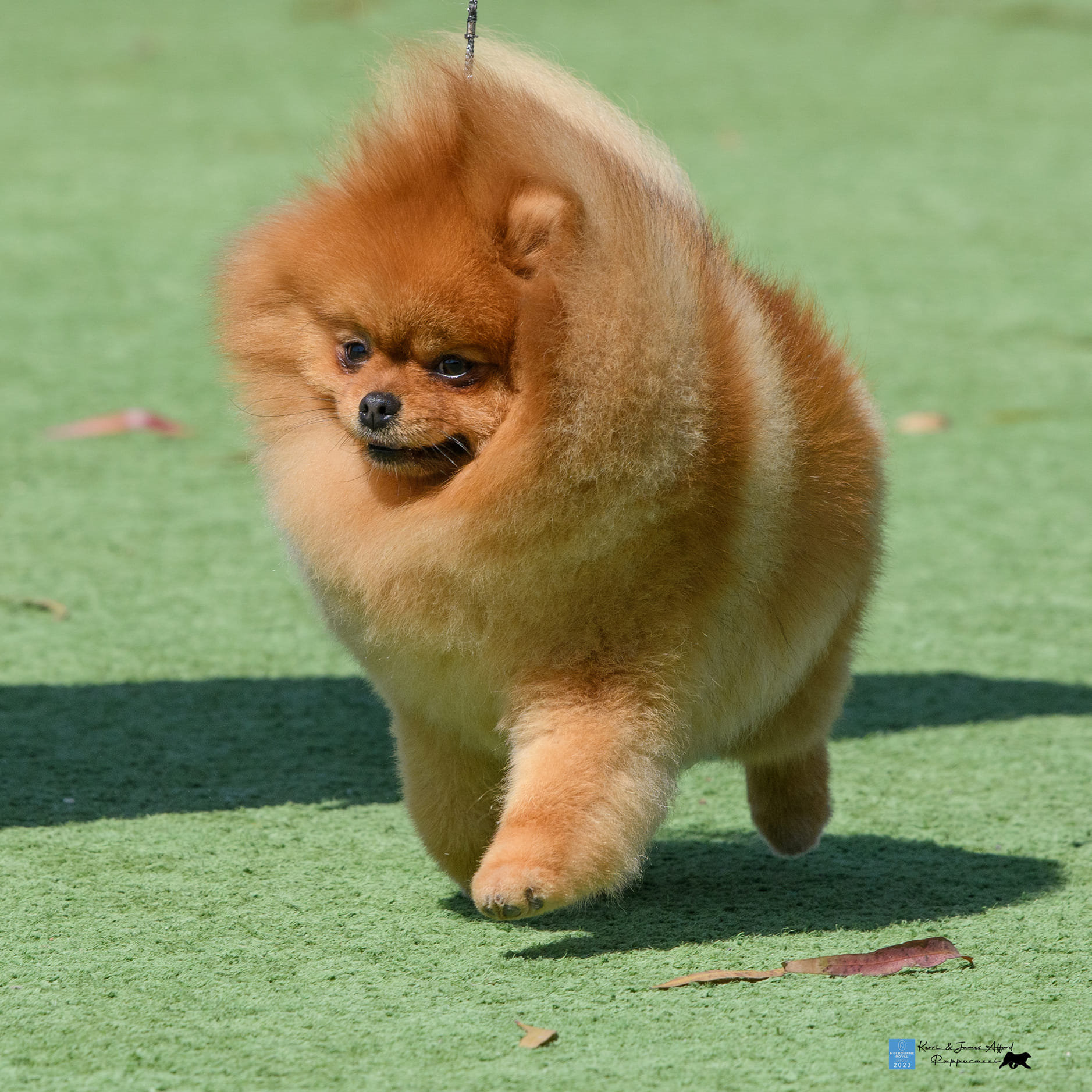
Welcome to Pomeranian Headquarters, where you will learn honest Pomeranian care tips. This site features correct Pomeranian information and facts by a Pomeranian dog expert. Pomeranian Headquarters is the trusted Pomeranian blog.
The Pomeranian Headquarters website is the largest and most complete Pomeranian dog website worldwide.
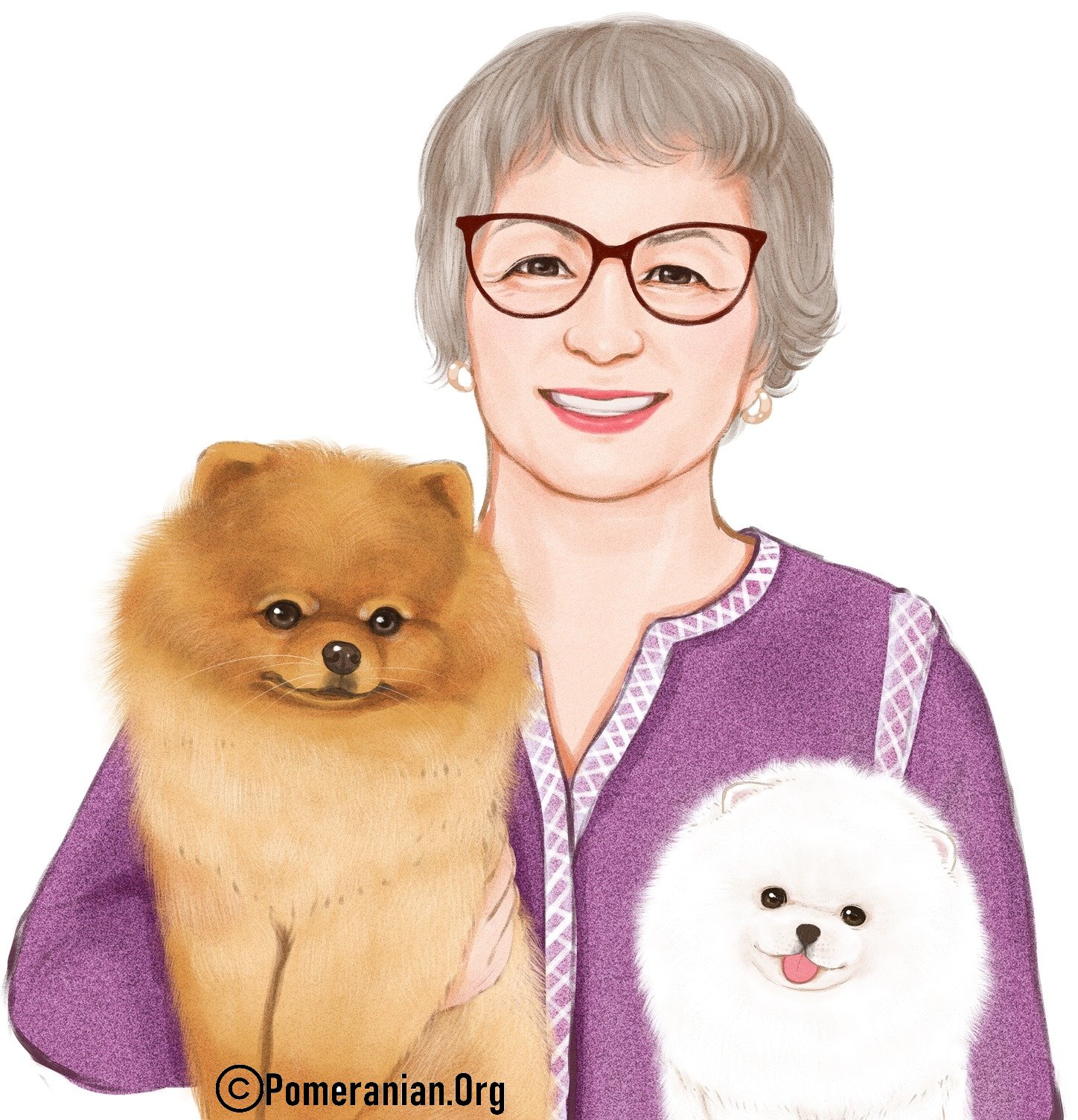
The face behind this Pomeranian website is the acclaimed author of the bestselling book, “The Pomeranian Handbook,” and champion Pomeranian breeder Denise Leo of Dochlaggie fame. Denise shares Pomeranian info related to one of the cutest breeds of dogs in the world.
Discover why this tiny dog with a big attitude is unique. Pomeranian dog personality traits and Pomeranian characteristics are explored in depth.
Whether you want to know teacup Pomeranian facts, Pomeranian puppy care information, Pomeranian history facts, or is a Pomeranian right for me? Pomeranian headquarters has all the accurate Pomeranian breed information.
About us
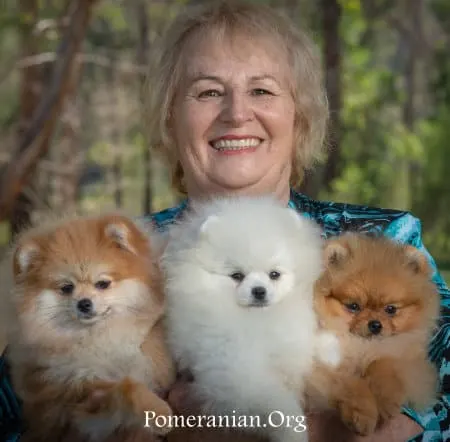
Welcome to Pomeranian Headquarters, where Denise Leo, a renowned Pomeranian expert with over five decades of experience, shares her extensive knowledge of Pomeranian care and breeding. As the breeder and exhibitor behind Dochlaggie’s award-winning Pomeranians, Denise is dedicated to enhancing the breed’s well-being and helping owners ensure their Poms lead the best possible lives.
Denise offers insights from years of breeding and exhibiting champion Pomeranians. Whether you’re looking for tips on grooming, health, training, or nutrition, Pomeranian Headquarters is your go-to source for reliable information.
Denise Leo’s commitment to promoting responsible breeding and ownership, coupled with her passion for the breed, makes Pomeranian Headquarters an invaluable resource for anyone looking to enrich their Pomeranian’s life. Join us in our mission to keep Pomeranians worldwide healthy and happy.
Moreover, this website hosts a newsletter for Pomeranian-related news and updates. From show results and breeding insights to stories of exceptional Pomeranians, it keeps the community well-informed and engaged. This serves not only to connect Pomeranian lovers but also to celebrate the breed’s achievements and contributions.
The website also has a community Facebook forum, fostering a sense of belonging among Pomeranian enthusiasts. Here, individuals can share their experiences, ask questions, and seek advice from fellow Pomeranian lovers. This sense of community is invaluable, especially for those new to the breed, as it provides a support system and a platform for sharing experiences.
About DeniseAs Seen
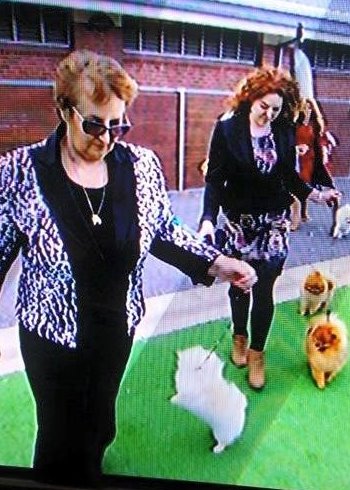
On The Real Housewives of Melbourne
In the glamorous and often tumultuous world of “The Real Housewives of Melbourne,” Pomeranians have emerged as the ultimate accessory to the opulent lifestyles of Melbourne’s elite.
These adorable fluff balls are more than just pets; they are symbols of status, luxury, and companionship. Often seen nestled in the arms of their fashionable owners or strutting alongside them in designer outfits, Pomeranians have become an integral part of the show’s fabric.
Their endearing personalities and undeniable charm have captured the hearts of housewives and viewers at home, showcasing a softer, more affectionate side of Melbourne’s high society.
Denise and the Dochlaggie Pomeranians appeared on the Real Housewives of Melbourne.
At the USA Pomeranian Nationals
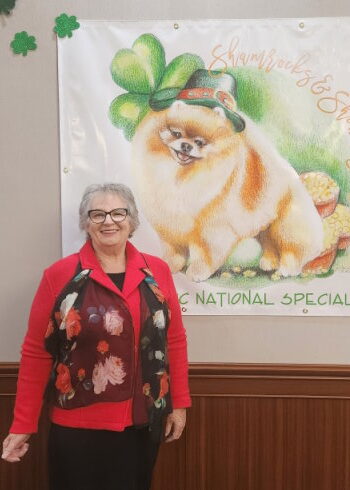
The USA Pomeranian Nationals is a spectacle of pomp and pageantry dedicated entirely to celebrating this beloved breed.
This esteemed event attracts participants and viewers worldwide, all keen to view the crème de la crème of the Pomeranian world.
Competitors vie for top honors in categories ranging from conformation to performance, highlighting the versatility and excellence of Pomeranians. The Nationals serve as a competitive arena and a community gathering, fostering a sense of camaraderie among Pomeranian lovers.
It’s a place where passion for the breed is palpable, and the dedication to achieving perfection in every fluffy participant is admired by all who attend.
At the Royal Shows
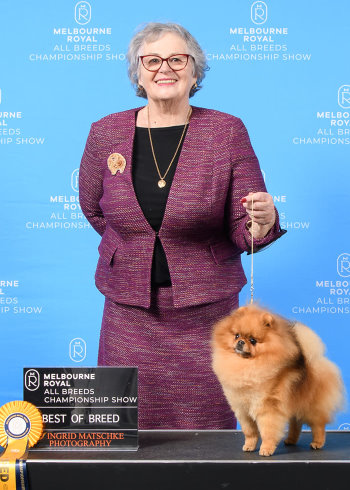
The Royal Shows are all iconic events in Australia’s calendar. They provide a perfect backdrop for Pomeranians to shine. Amidst the agricultural competitions, carnival rides, and food stalls, the dog pavilion stands out as a haven for dog lovers.
These tiny titans compete in various categories, showcasing their beauty, agility, and obedience. The event is a highlight for Pomeranian enthusiasts, offering a platform for breeders and owners to exchange tips, celebrate their dogs’ achievements, and raise awareness about the breed.
The show’s vibrant atmosphere complements Pomeranians’ lively spirit, making it a must-visit for Pomeranian exhibitors, breeders, fans, and potential pet owners alike.
Our team



Pomeranians (and their owners) love us!
Louise J.
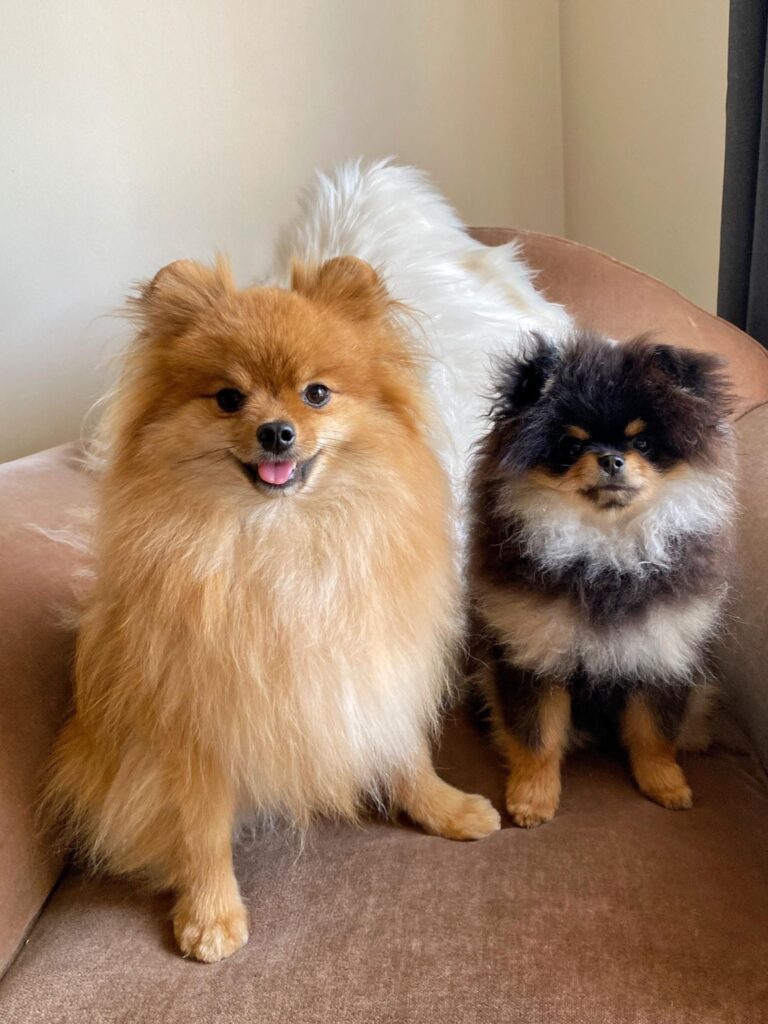
“The Pomeranian Headquarters website has proven to be an invaluable resource for me as proud owner of two lively Pomeranians, offering a wealth of expert guidance and tips. This resource compiled from Denise’s years of experience in raising this special breed has made it a trusted go-to for all my Pomeranian related queries and needs.”
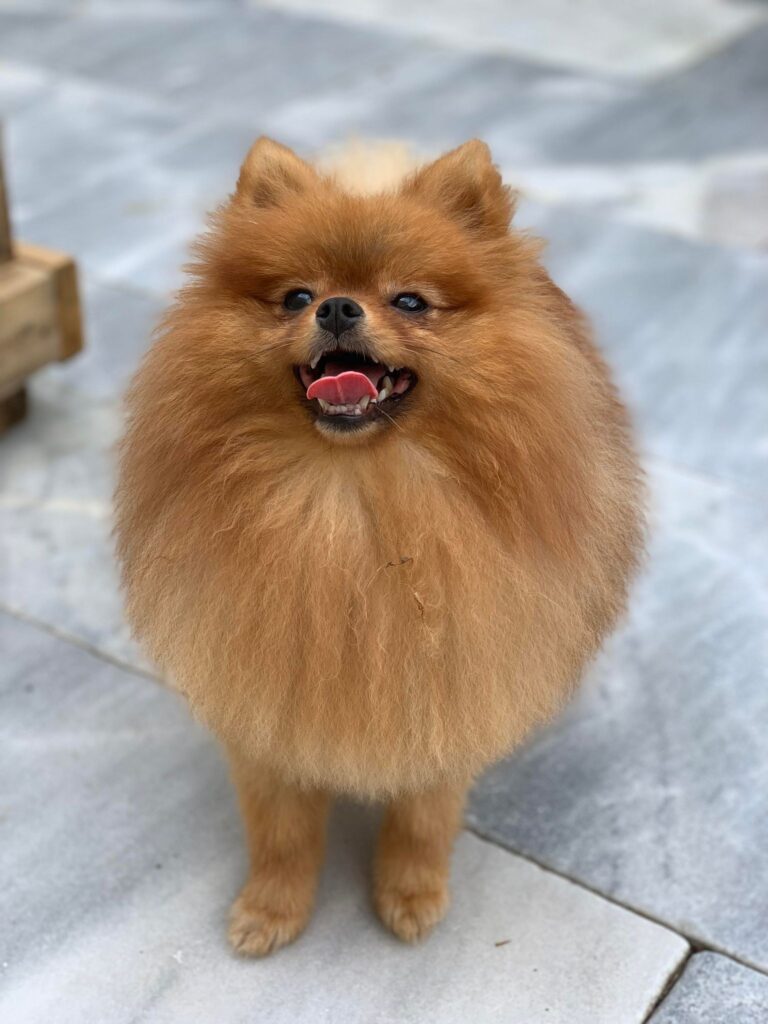
Peta F. – Carlos the Pomeranian
“I have used the Pomeranian Headquarters website to learn how best to love and care for Carlos. It’s a wonderful, reliable resource full of information provided by experts.”
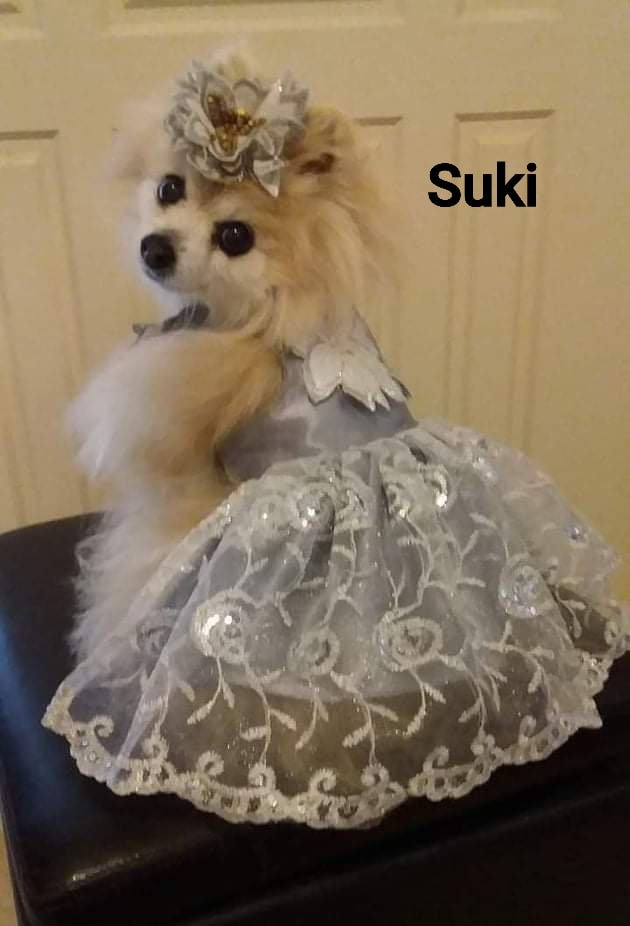
Carmel B.
“I have found a lot of information, made lots of friends, and agree it is a fabulous site. It’s a great site for new parents of Pomeranians.”
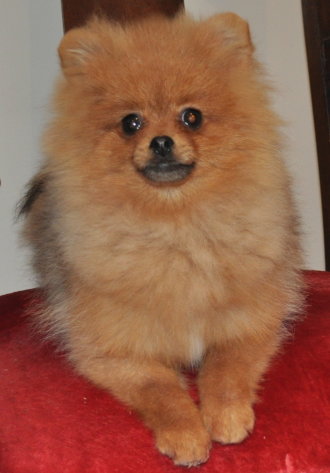
Adam S.
“Pomeranian Headquarters has been an invaluable resource for caring for my Pomeranian, Suzy. The website offers expert advice on grooming, health, and training tailored to this breed. Its supportive community has also allowed me to connect with fellow Pomeranian owners, providing a platform for sharing experiences and seeking guidance on raising a happy and healthy pup.”
Latest from our blog





Our latest Products

- Leo, Denise (Author)
- English (Publication Language)
- 350 Pages – 02/20/2019 (Publication Date) – Denise Y Leo (Publisher)